
1. The canuts and the Croix-Rousse
According to Wikipedia, the canuts were silk weavers working on looms, mainly on the Croix-Rousse plateau in the 19th century. Their looms, about 4 m high, dictated the shape of the buildings: workshop ceilings of about 4 m and five or six floors. 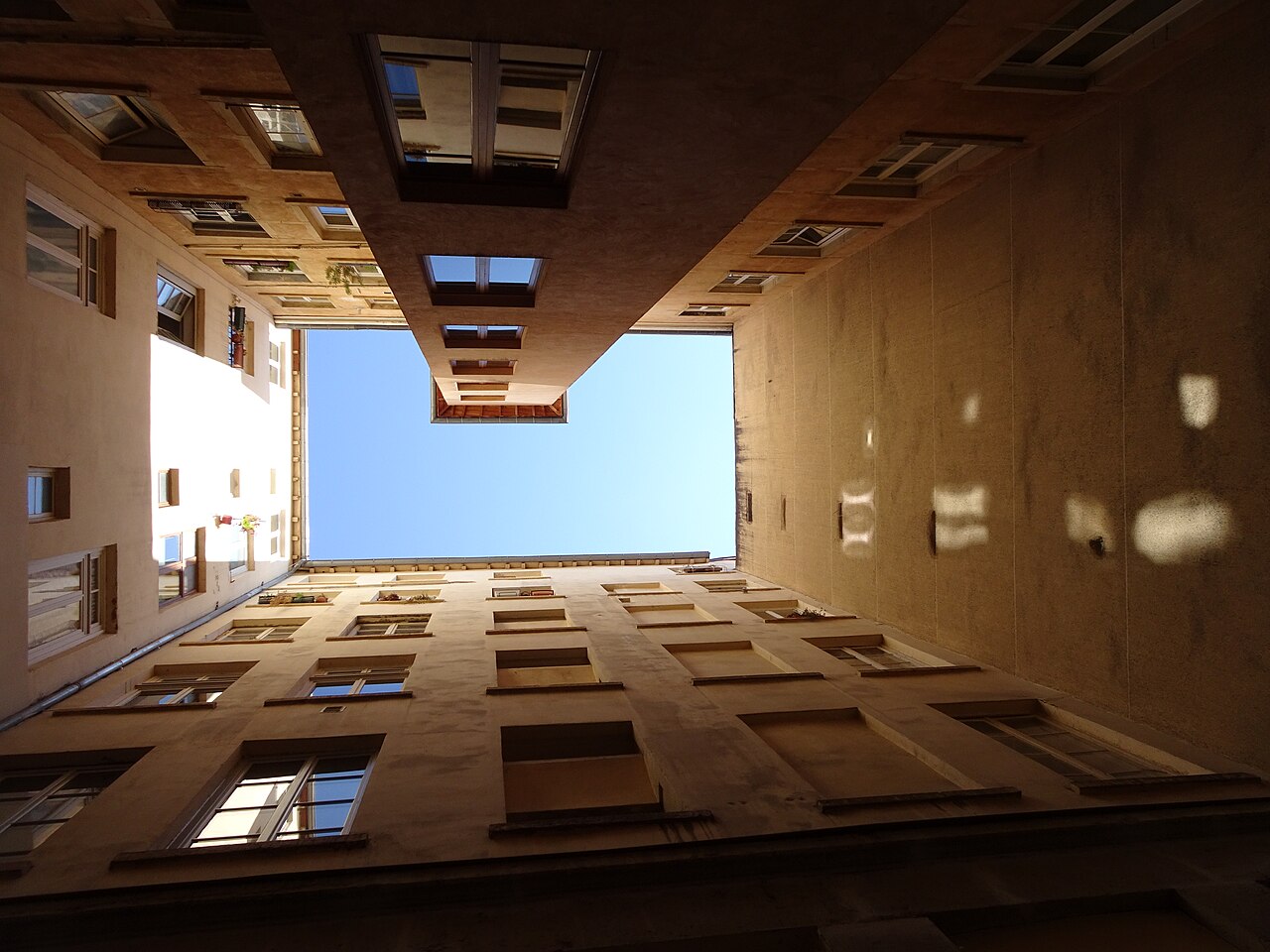
2. The revolts of 1831 and 1834
- November 1831: the authorities send 20,000 men and 150 cannon.
- 14 February 1834: the canuts hold out six days against 12,000 soldiers.
- In 1835 there were about 8,000 workshop heads in Lyon, half in the Croix-Rousse, and nearly 30,000 journeymen.
3. What is a traboule?
A traboule is a pedestrian passage through building courtyards, letting you go from one street to another. The word comes from Lyon speech (“allée qui traboule”, first written trace in 1875). Lyon has about 500: 215 in Vieux Lyon, 163 in the Croix-Rousse and 130 on the Presqu'île. The canuts used them to reach merchants at the bottom of the hill, and the Resistance used them during the Second World War. 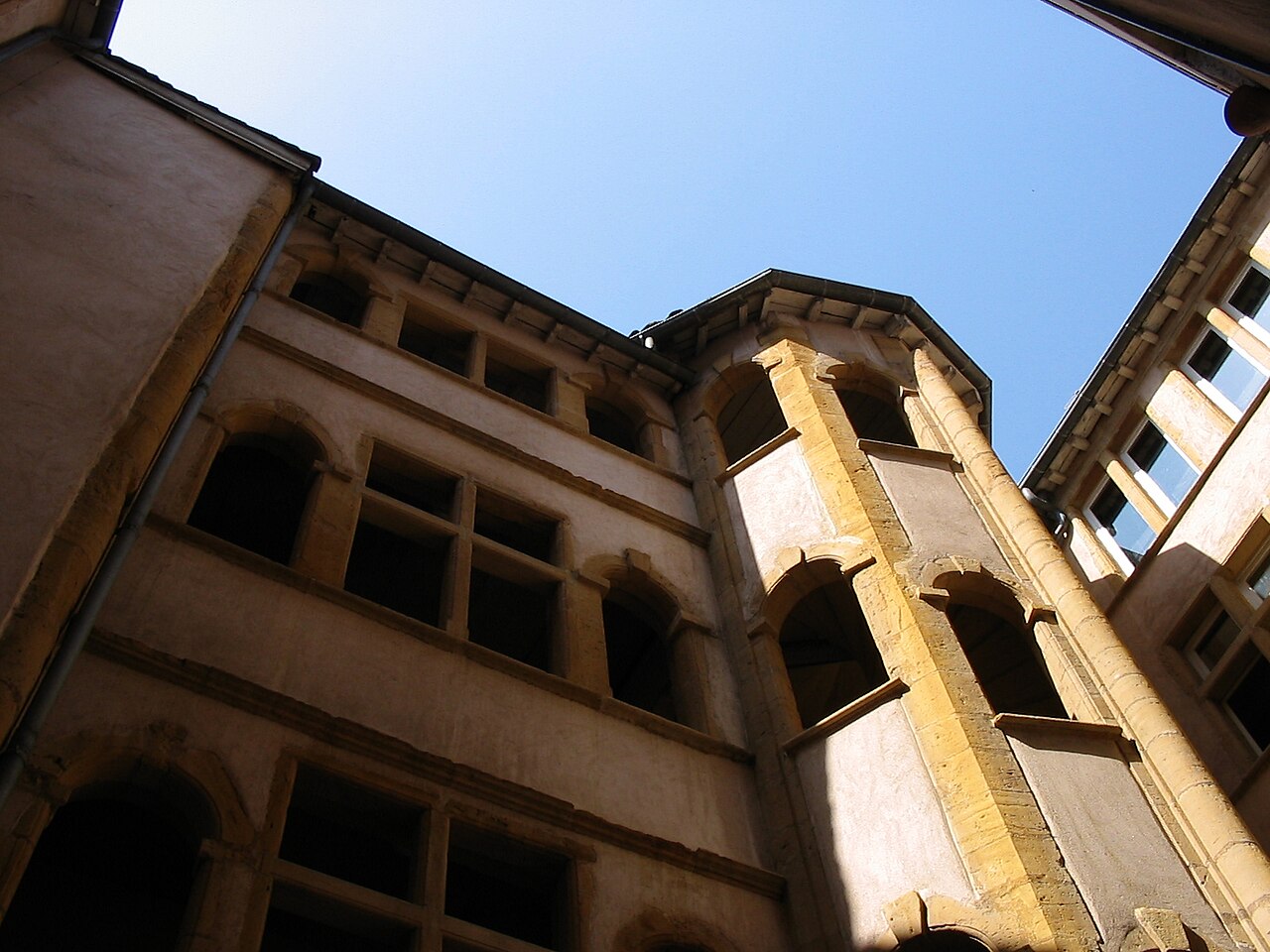
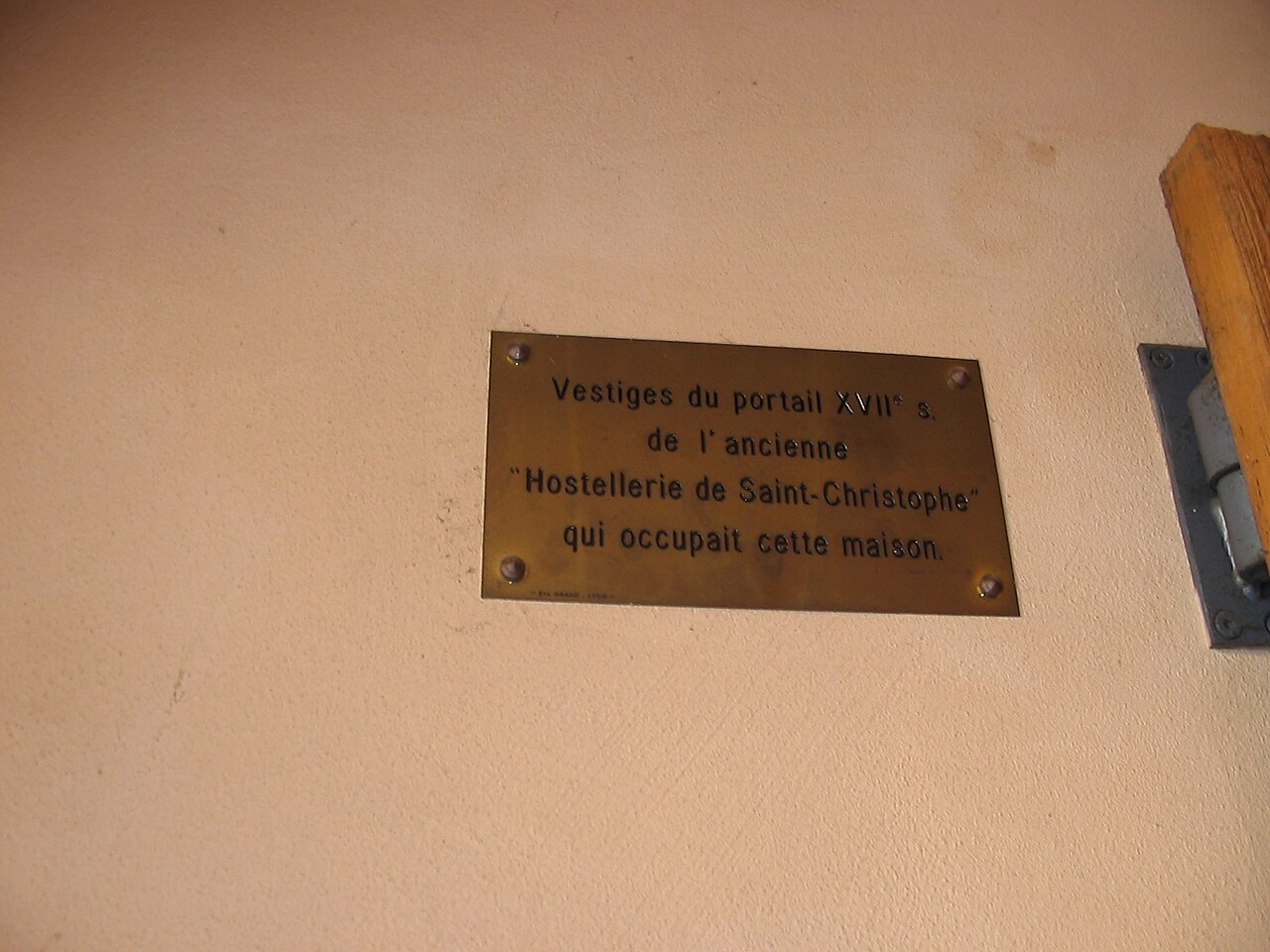
4. A passage through a co-ownership
Many traboules cross common parts: courtyards, halls, stairs. Whether they are open to the public depends on the building's decision, discussed at the general meeting. 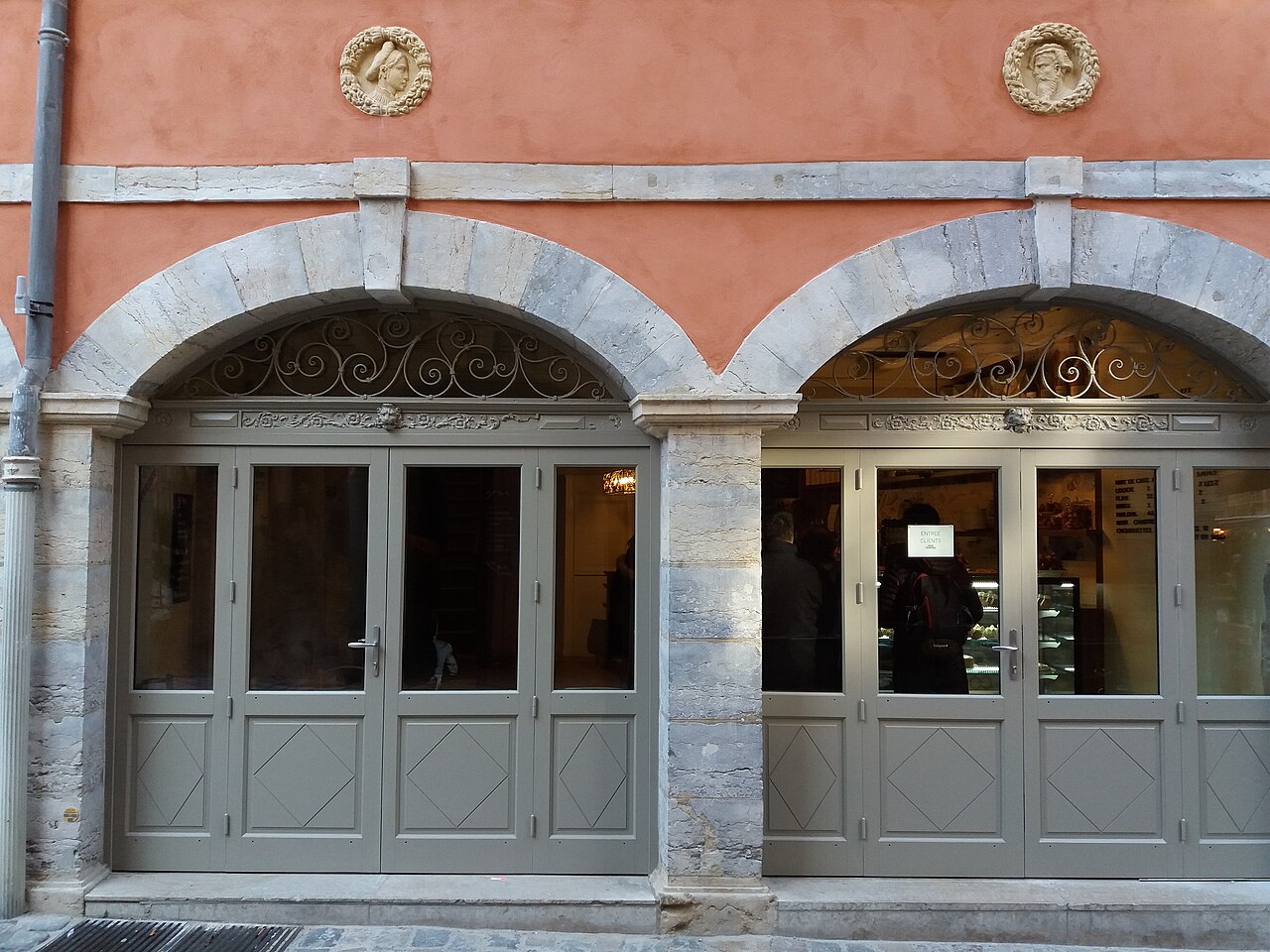
5. Lyon today
In the national co-ownership register, Lyon's arrondissements count 10,715 co-ownerships: 5,286 are declared built before 1949 and 2,007 between 1949 and 1974. Older buildings raise questions of façade renovation, insulation and the collective DPE (in French).
Photo credits
- The “Ciel des Canuts” mural in the Croix-Rousse — Celeda, CC BY-SA 4.0, Wikimedia Commons
- A Lyon traboule — Tusco, CC BY-SA 3.0, Wikimedia Commons
- An inner courtyard crossed by a traboule — Tusco, CC BY-SA 3.0, Wikimedia Commons
- The traboule on rue du Bœuf, in Vieux Lyon — Romainbehar, CC0, Wikimedia Commons
Sources
Frequently asked questions
Who were the canuts?
Lyon's silk weavers, mostly based on the Croix-Rousse plateau in the 19th century.
How many traboules are there in Lyon?
About 500 according to Wikipedia: 215 in Vieux Lyon, 163 in the Croix-Rousse and 130 on the Presqu'île.
Why are canut buildings' ceilings so high?
Because the looms were about 4 m tall, so the workshops had ceilings of about 4 m.
Can you walk through a traboule?
Some are open to the public, others not: it depends on the building. Respect signs and residents' peace.
Look up your building's record
Construction period, units, managing agent, heating and surroundings: public data from the national co-ownership register.
Search a co-ownershipInformational article based on Wikipedia (“Traboule” and “Canut”). The date of the Jacquard loom's invention and UNESCO protection of Vieux Lyon were not confirmed by these sources and are not asserted here. The point about general-meeting decisions is a general presentation, to check for each building. Photographs come from Wikimedia Commons under Creative Commons licences (credits at the bottom). Co-ownership figures come from the national register and cover Lyon's arrondissements. Source titles are given in French.