
1. An imperial capital to build
According to Wikipedia, the Treaty of Frankfurt (1871) made Strasbourg the capital of the Reichsland Alsace-Lorraine. The city, hemmed in by its ramparts, grew from 80,000 inhabitants in 1870 to 180,000 in 1915. 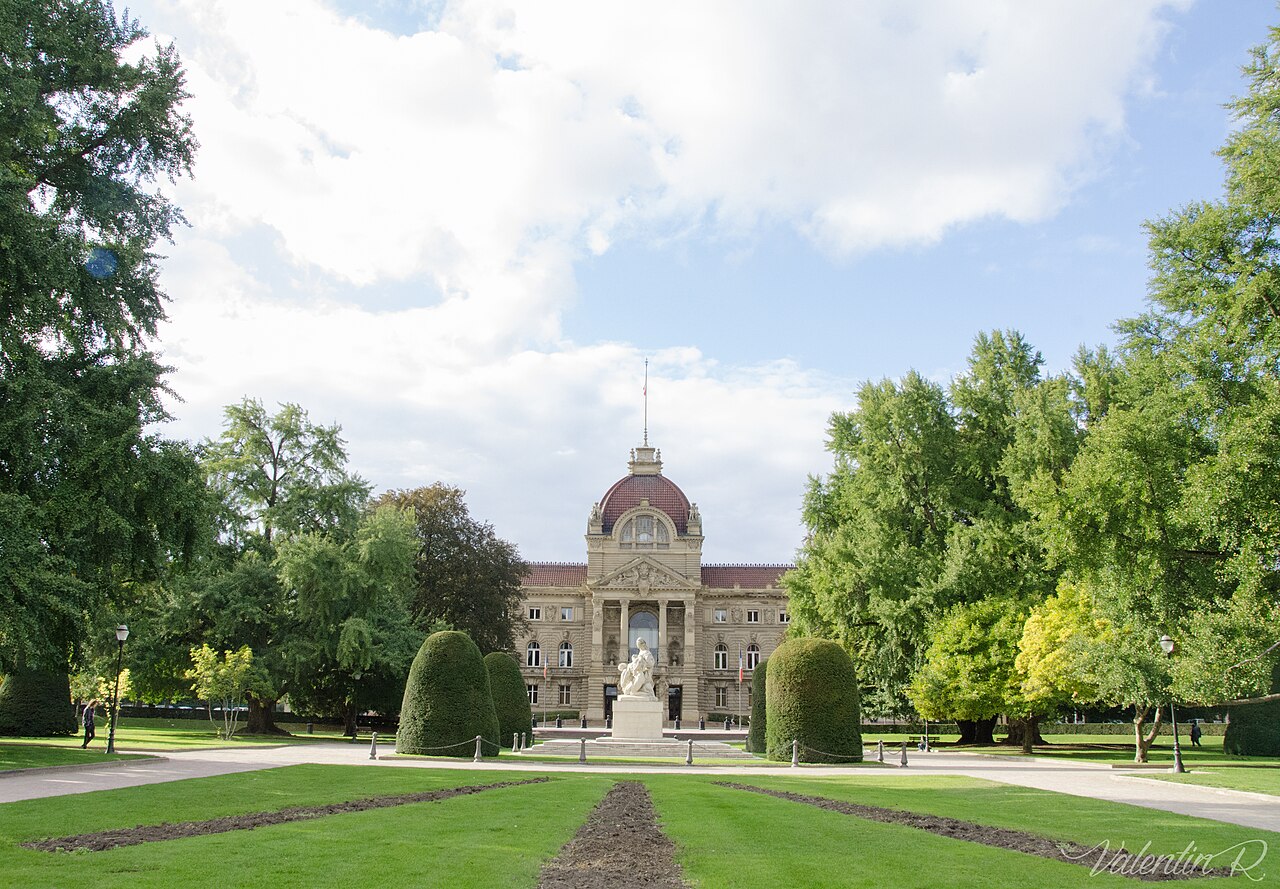
2. The Conrath plan
The plan was adopted on 7 April 1880, from projects by Jean Geoffroy Conrath, August Orth and Hermann Eggert. The perimeter chosen in 1875 covers 384 hectares, 153 of them ceded by the army (former ramparts and glacis); the cost was 17 million marks payable over ten annuities. Construction ran from the 1880s to the First World War.
3. The Neustadt's buildings
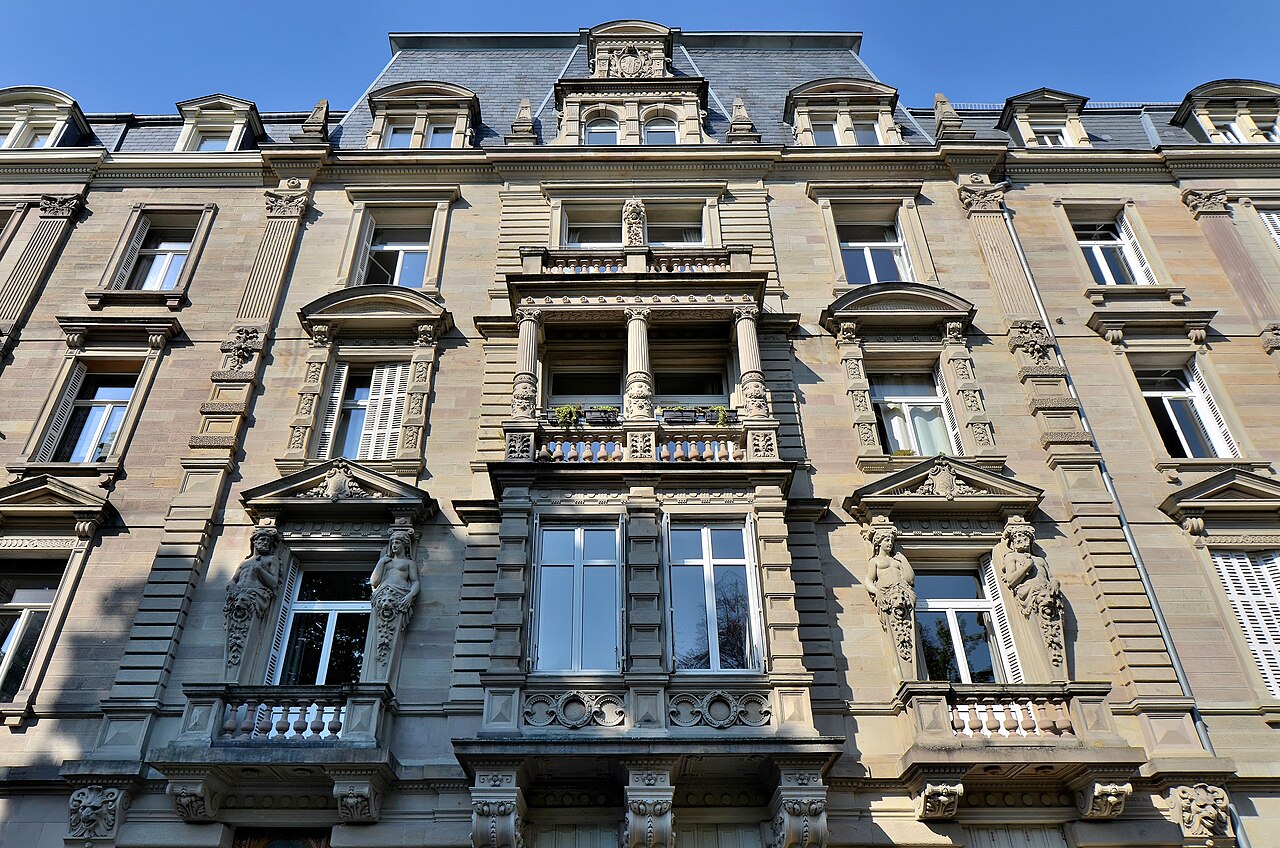
- Four or five floors, ground floor in dressed stone, façades often in brick, wrought-iron balconies.
- Water and gas on every floor.
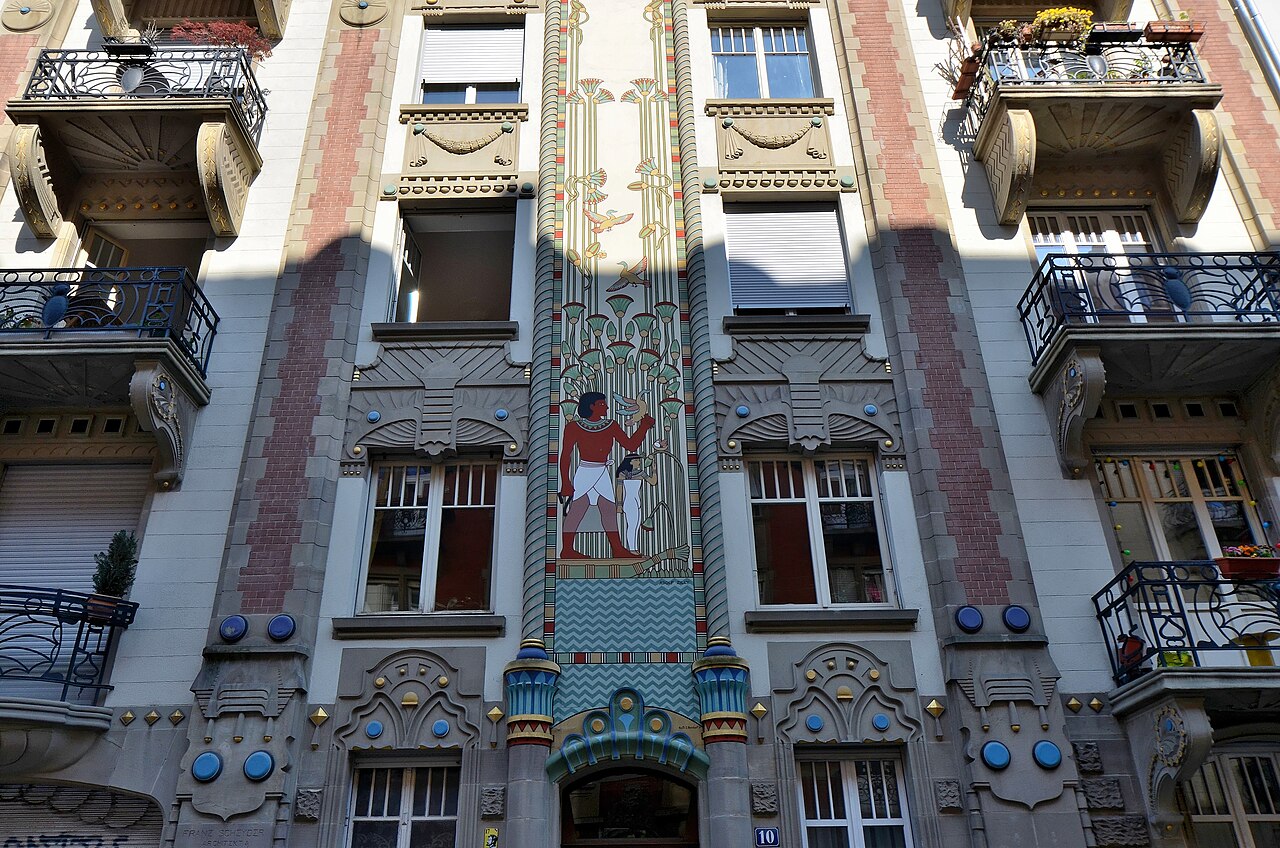
- Varied styles: Neo-Renaissance, Neo-Gothic, Neo-Classical, Neo-Romanesque, Neo-Byzantine and Art Nouveau (Jugendstil).
4. The major buildings and UNESCO
The Palais du Rhin (former imperial palace), the National and University Library and place de la République (former Kaiserplatz) structure the district. 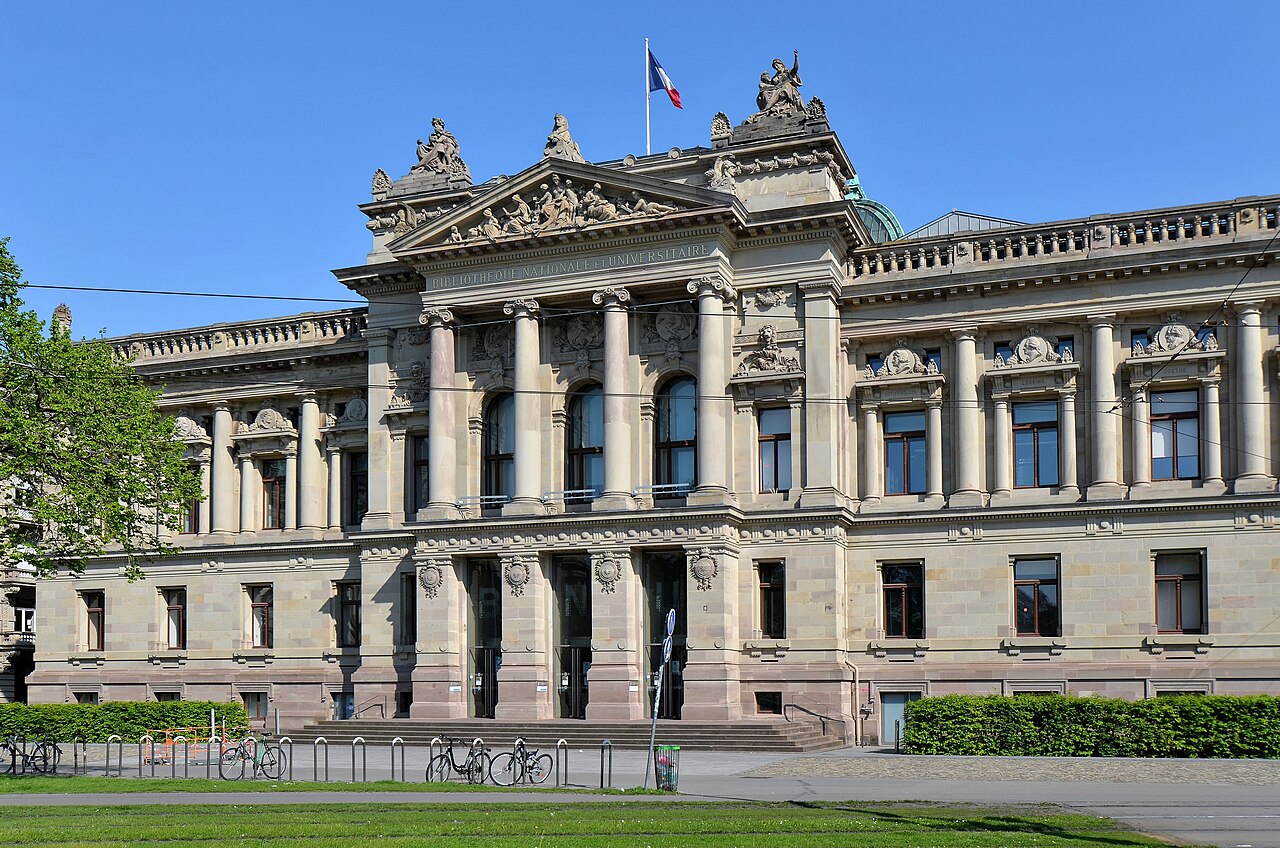
5. The Neustadt today
In the national co-ownership register, Strasbourg has 5,647 co-ownerships: 2,142 declared built before 1949 and 1,034 between 1949 and 1974. These figures cover the whole municipality, not only the Neustadt. For older buildings, the collective DPE (in French) and the multi-year works plan are on the agenda.
Photo credits
- The “Maison égyptienne” (1905-1906), rue du Général-Rapp — Morio60, CC BY-SA 2.0, Wikimedia Commons
- A building on rue du Maréchal-Foch — Patrick, CC BY-SA 2.0, Wikimedia Commons
- The National and University Library, place de la République — Morio60, CC BY-SA 2.0, Wikimedia Commons
- Place de la République — Zéphyrios, CC0, Wikimedia Commons
Sources
Frequently asked questions
Why was the Neustadt built?
After the annexation of 1871, Strasbourg became capital of the Reichsland Alsace-Lorraine and had to expand.
How large is the Conrath plan?
384 hectares chosen in 1875, 153 of them ceded by the army, according to Wikipedia.
When was the Neustadt UNESCO-listed?
On 9 July 2017, as an extension of the “Strasbourg: from the Grande-Île to the Neustadt” site inscribed in 1988.
Which styles are found in its buildings?
Neo-Renaissance, Neo-Gothic, Neo-Classical, Neo-Romanesque, Neo-Byzantine and Jugendstil (Art Nouveau).
Look up your building's record
Construction period, units, managing agent, heating and surroundings: public data from the national co-ownership register.
Search a co-ownershipInformational article based on Wikipedia (“Neustadt (Strasbourg)”). UNESCO pages were not consulted. Photographs come from Wikimedia Commons under Creative Commons licences (credits at the bottom). Co-ownership figures come from the national register and cover the whole municipality of Strasbourg. Source titles are given in French.